The world of employment is full of unique terms and practices, and few are as intriguing or misunderstood as "gardening leave." Often sparking curiosity and sometimes confusion, this practice plays a vital role in managing employee transitions, particularly at senior levels or in sensitive industries. But what exactly does gardening leave meaning entail? How does it work in practice, and what are the benefits and drawbacks for both employers and employees?
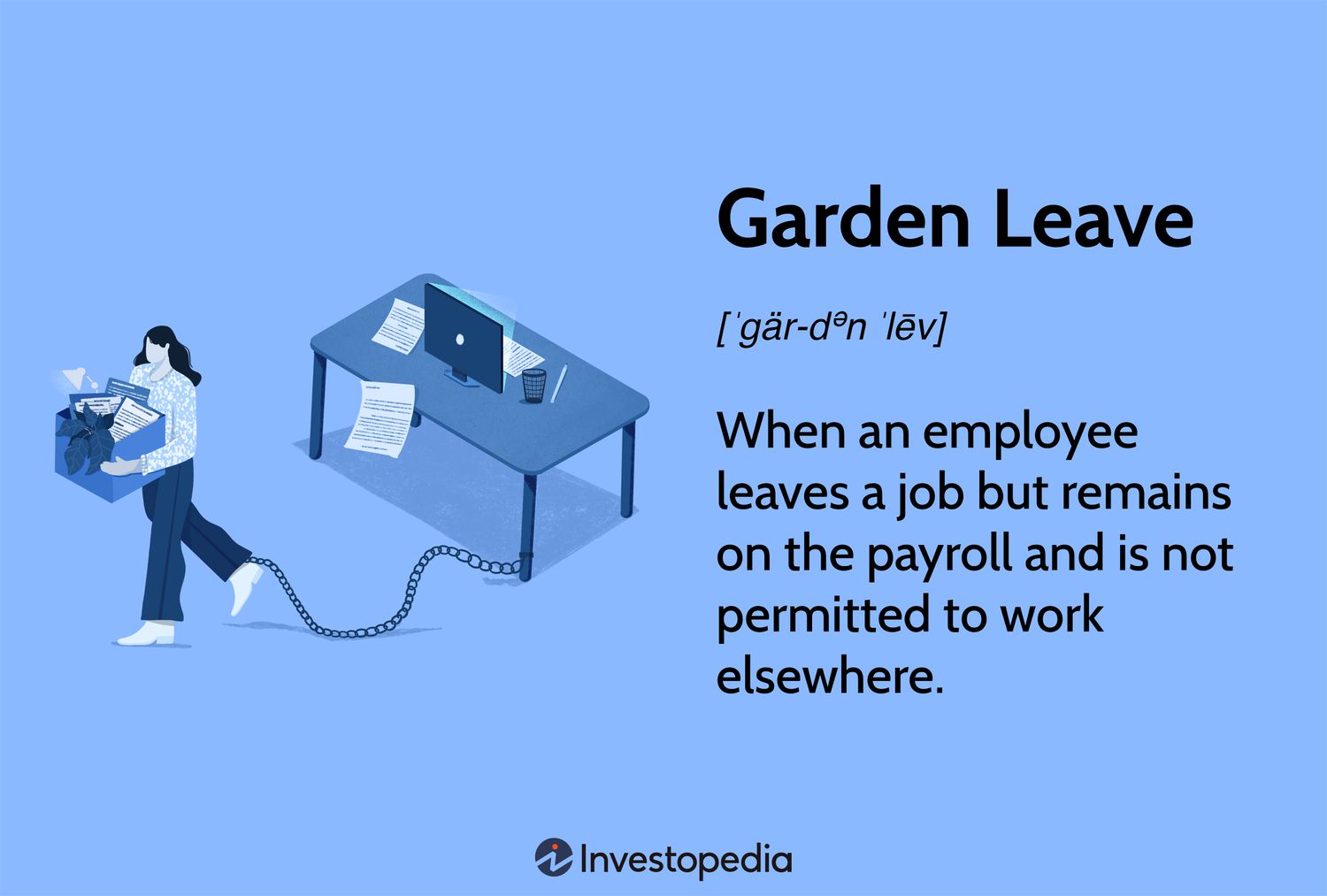
In essence, gardening leave refers to a period during which an employee, typically after resigning or being terminated, is instructed to stay away from work. Crucially, they remain employed by the company, continue to receive their full salary and benefits, but are not expected to perform any work duties. Instead, they are metaphorically "sent to tend their garden," keeping them occupied and away from the office, especially from competitor insights or sensitive information.
Understanding the Essence of Gardening Leave
At its core, gardening leave is a strategic HR tool deployed by companies to manage an employee's departure. The official definition describes it as a designated duration wherein an employee is mandated to refrain from attending work, usually following their resignation or termination. Throughout this period, the employee maintains their employment status within the company but is not expected to carry out any work duties. This means they are still legally bound by the terms of their employment contract, including confidentiality clauses and non-solicitation agreements, even though they are not actively working.
The term "gardening leave" itself is thought to have originated in the UK, conjuring the image of an individual having ample time to pursue leisurely activities, like gardening, while still on the company payroll. It serves as a middle ground between immediate termination and an employee working out their full notice period in the office. This practice is distinct because the employee is *removed* from the workplace environment but *remains* an employee, differentiating it from simply serving a notice period where they continue to perform their duties.
The Strategic Advantages for Employers: Why Companies Implement Gardening Leave
For businesses, implementing gardening leave isn't about being punitive; it's a calculated decision with several significant benefits, primarily centered around protection and transition. Understanding the gardening leave meaning from an employer's perspective highlights its strategic value:
- Protection of Confidential Information and Trade Secrets: This is arguably the most critical benefit. By keeping a departing employee, especially one in a senior or specialized role, away from the office, companies can prevent them from accessing or potentially leaking sensitive data, client lists, or strategic plans to competitors.
- Prevention of Poaching and Undermining: During their time away, the employee cannot actively contact clients, suppliers, or colleagues to solicit them for a new venture or competitor. This safeguards the company's relationships and intellectual capital during a vulnerable transition period.
- Smooth Internal Transition and Handover: Gardening leave provides a valuable buffer period for the company to reorganize, reassign responsibilities, and train new staff without the departing employee present. This reduces disruption and ensures a more orderly handover process, often crucial for maintaining business continuity.
- Maintaining Morale and Stability: The departure of a key employee can sometimes create uncertainty or anxiety among remaining staff. By managing the exit through gardening leave, companies can control the narrative and minimize potential negative impacts on team morale and internal dynamics.
- Safeguarding System Access: It allows IT departments ample time to revoke all access credentials and ensure no digital assets can be compromised post-departure.
While these benefits are clear, employers must also weigh the costs. To delve deeper into the pros and cons for businesses, explore our related article: Garden Leave Pros & Cons: Protecting Business vs. Employee Rights.
Navigating Gardening Leave: The Employee's Perspective and Rights
From an employee's standpoint, the news of being put on gardening leave can evoke a mix of emotions. On one hand, it's a period of paid time off, offering an unexpected break and the opportunity to prepare for their next role without the immediate pressure of job searching or juggling current duties. On the other, it can lead to feelings of being undervalued, frustrated, or isolated from their professional network. Understanding the gardening leave meaning for employees involves recognizing both the restrictions and the opportunities.
What to Expect During Gardening Leave:
- Continued Salary and Benefits: The employee continues to receive their regular pay, benefits (such as health insurance, pension contributions), and other contractual entitlements throughout the gardening leave period.
- Restrictions on Work: Employees are generally prohibited from working for a new employer, contacting clients or colleagues, or engaging in any activities that could be deemed competitive or detrimental to their current employer's interests. They remain bound by their contract, including confidentiality.
- Availability: While not expected to perform daily duties, employees might be required to remain available for consultation, answer questions, or assist with critical handover aspects if explicitly stated in their agreement.
- Company Property: Often, employees are required to return company property (laptops, phones, access cards) at the start of their leave.
Tips for Employees:
- Understand Your Contract: Carefully review your employment contract and any specific gardening leave clauses. Know your rights and obligations.
- Utilize the Time Wisely: Use this period for professional development, networking, refreshing skills, or even personal rejuvenation, all while adhering to contractual restrictions.
- Maintain Professionalism: Even though you're not in the office, maintaining a professional demeanor is crucial, especially regarding external communication and social media.
- Seek Legal Advice: If you feel the terms of your gardening leave are unfair, discriminatory, or if you have specific concerns, consult an employment lawyer.
Gardening Leave vs. Non-Compete Clauses: A Critical Distinction
While both gardening leave and non-compete clauses aim to protect a company's interests post-employment, they are fundamentally different in their nature and application. Grasping this distinction is key to fully understanding the gardening leave meaning and its legal implications.
Gardening Leave: This is a period during which an employee is *actively prevented* from working by their current employer, but they remain on the payroll. It's an operational decision, often based on a clause in the employment contract, where the employee is paid not to work. The restriction is active *during* the employment period, even if that period is just serving out a notice while at home. The core idea is to keep them out of the loop and away from sensitive information *while they are still legally employed*.
Non-Compete Clause: This is a contractual agreement that *prohibits an employee from working in a certain industry or role* for a specified period of time *after they have left their current employer*. It’s a post-employment restriction. Non-compete clauses are often subject to stricter legal scrutiny regarding their enforceability, as courts often balance the employer's need for protection against an individual's right to earn a livelihood. Their legality and limitations vary significantly by jurisdiction.
The key difference lies in timing and payment. With gardening leave, you're paid *not to work* while still employed. With a non-compete, you're typically *not paid* during the post-employment restriction period, and it takes effect *after* your employment formally ends. It's crucial for both parties to understand these differences to avoid legal challenges.
For a more in-depth exploration of the nuances between these and other global variations, refer to our article: Garden Leave: UK Origins, Global Rules, & Non-Compete Differences.
Global Perspectives and Practical Implementation
While the concept of gardening leave originated in the UK, its practice is not confined to its borders. It's prevalent in many countries, albeit with varying regulations and norms, reflecting diverse employment laws and cultural approaches to employee transitions.
- United Kingdom: Where it originated, gardening leave is a common contractual provision, particularly in senior roles. It’s widely accepted as a legitimate way for employers to protect their business interests.
- United States: Gardening leave is less common in the US compared to the UK. This is largely due to different employment-at-will laws and a heavier reliance on non-compete agreements, although these are facing increasing legal challenges in various states.
- Australia: Often seen in sectors like finance and professional services, garden leave clauses are frequently included in employment contracts, especially for roles with access to sensitive commercial information.
- Singapore: It’s a standard clause in many employment contracts, particularly for senior or strategically important roles, and is generally enforceable provided it's reasonable in scope and duration.
The length of a gardening leave period can vary significantly, ranging from a few weeks to several months, depending on the employee's role, the industry, the notice period stipulated in the contract, and the specific concerns the company aims to address. Practical implementation requires clear contractual clauses, transparent communication with the departing employee, and a consistent approach from HR to ensure fairness and legal compliance.
Conclusion
Understanding the gardening leave meaning is essential for both employers crafting exit strategies and employees navigating career transitions. It serves as a powerful mechanism for companies to safeguard their interests, manage risk, and ensure smooth business continuity during a change in personnel. For employees, while it represents a period of restriction, it also offers a unique opportunity for reflection and preparation for their next professional chapter. As global employment practices evolve, the strategic deployment and careful management of gardening leave will continue to be a critical component of effective human resources management.